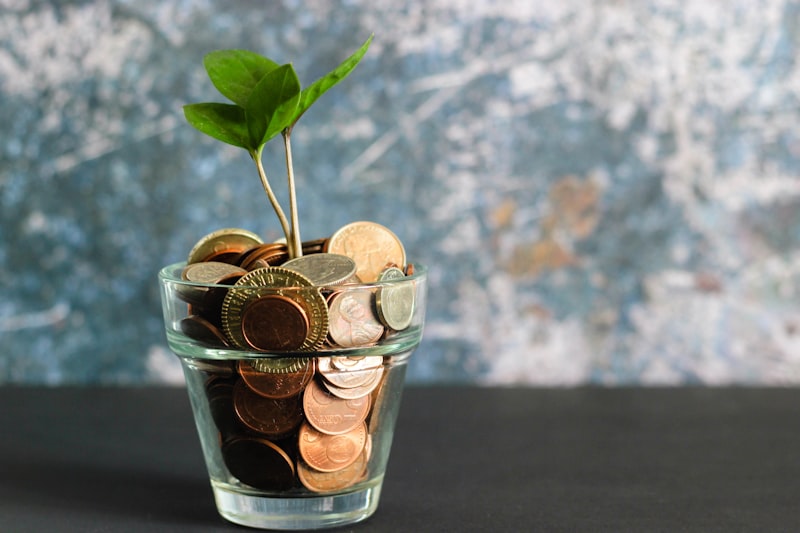
Life throws curveballs. Your car decides it's time for an expensive spa day, your pet needs an urgent vet visit, or gasp your job takes an unexpected detour. That's where your emergency fund swoops in, ready to save the day (and your sanity!). Forget stress-eating ramen; an emergency fund is your financial superhero cape, and building it from scratch is easier than you think.
Why You Need This Cash Stash (Like, Yesterday)
Let's be real: adulting is full of surprises. An emergency fund isn't about being a financial wizard; it's about giving yourself breathing room when life gets messy. It's the difference between panicking and confidently handling whatever comes your way. It protects you from racking up high-interest debt and keeps you moving forward, even when the unexpected happens.
How Much Moolah Are We Talking?
The golden rule suggests 3 to 6 months of essential living expenses. But don't let that number overwhelm you right out of the gate!
Your First Mission: The Starter Fund
Aim for an initial
What Counts as "Essential"?
This isn't about funding your daily latte habit. Essential expenses are what keep a roof over your head, food on your table, and the lights on:
- Housing (rent/mortgage)
- Utilities (electricity, water, gas, internet)
- Food (groceries, not takeout)
- Transportation (gas, public transport, car insurance)
- Minimum debt payments (student loans, credit cards)
- Basic insurance premiums
Where to Keep Your Hard-Earned Savings
This isn't money for impulsive online shopping. It needs a special home.
The Emergency Fund Vault: High-Yield Savings Account (HYSA)
- Separate Account: Crucial! Don't keep it in your checking account where it's easily spent.
- High-Yield: Earn a bit more interest than a standard savings account. Every little bit helps!
- Accessible, But Not Too Accessible: You want to be able to get to it quickly if needed, but not have it tied to your debit card for everyday purchases. Digital-only banks often offer great HYSA options.
Building Your Financial Fortress: Practical Hacks
Now for the fun part: watching that number grow!
- Budget Bootcamp: You can't save what you don't know you have. Track your income and expenses for a month. Identify where your money actually goes. Free apps like Mint or YNAB can be game-changers.
- Expense Excavation: Find things to cut. Do you really need all those streaming subscriptions? Can you meal prep instead of eating out? Even small cuts add up quickly.
- Income Injection: Look for ways to bring in extra cash. Sell unused items online, pick up a side gig, or ask for a raise. Every extra dollar goes straight to the fund.
- Automate It, Baby! This is non-negotiable. Set up a recurring transfer from your checking to your emergency fund every payday. Treat it like a bill you have to pay yourself first. Start small (article5, $50) and increase it when you can.
- Windfalls Welcome: Tax refunds, work bonuses, unexpected gifts? Don't splurge it all! Direct a significant portion (or all of it!) straight to your emergency fund.
- The "Round-Up" Rally: Some banking apps allow you to round up your purchases to the nearest dollar and transfer the difference to savings. It's painless saving!
When Disaster Strikes & How to Replenish
Only touch your emergency fund for actual emergencies. Once you've used it, your next financial priority is to build it back up. Treat it like a depleted resource that needs immediate attention.
Building an emergency fund is one of the most empowering financial moves you can make, bringing calm to the chaos of life.
Pro-Tip: Your emergency fund isn't a "nice-to-have," it's a foundational "must-have" for true financial freedom.