Why I Don't Track My Workouts With a Smart Ring
Smart rings are everywhere these days, all promising to be your ultimate activity tracker. Steps? Calories? Workout times? They say they've got you covered. But here's a little secret: when I head to the gym, my smart ring comes off. And if you're looking for a serious fitness tracker, I'd never point you toward a smart ring. Let's dig into why.
Smart Rings Shine... Elsewhere
First, let's be clear: I'm not anti-smart ring. I've worn an Oura for years, tested others like Ultrahuman Air and RingConn 2, and I think they're fantastic wearables for the right person. Their strength lies in being unobtrusive and comfortable, especially for sleep and recovery tracking. I want to know my sleep stages, my HRV, and how ready my body is for another day. For incidental activity, like a walk to the store, they're great too.
Smart rings are perfect for two types of people:
- The casual tracker: Someone who doesn't typically log workouts but wants a general overview of their daily activity and a deep dive into sleep.
- The multi-device pro: You already use a dedicated device (like an Apple Watch or Garmin) for your workouts, and you want your ring to fill in the gaps for sleep and non-workout activities.
But when it comes to dedicated workout tracking, especially strength training, smart rings fall flat.
Lifting Weights? Take it Off.
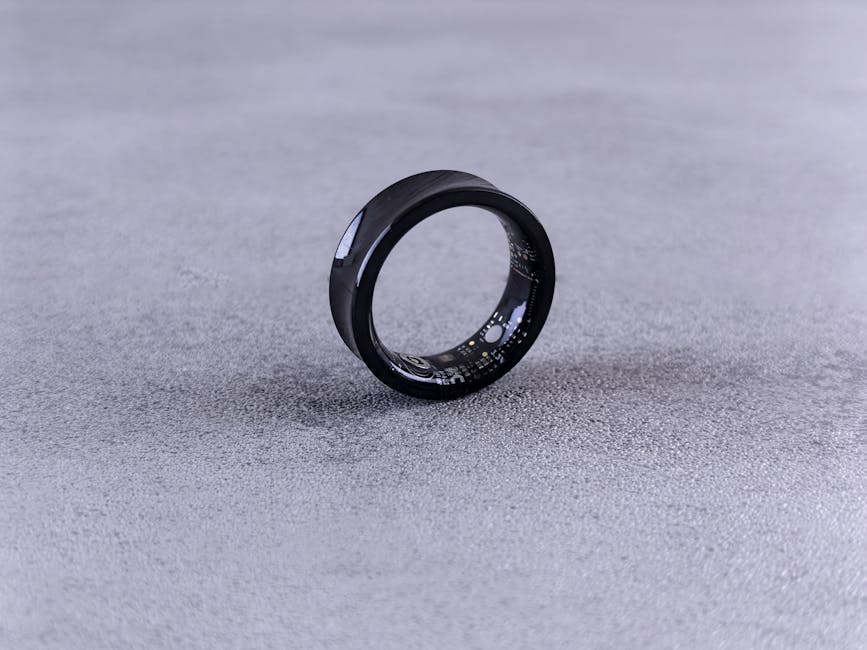
This is my biggest beef. Trying to lift weights with a smart ring on is a recipe for discomfort and a compromised grip. Smart rings are thicker than your average wedding band, and those internal sensors only add to the bulk.
Picture this: You're doing a deadlift or a pull-up. For a proper, secure grip, the bar needs to sit at the base of your fingers, where they meet your palm. This is exactly where a ring sits. The ring gets painfully pinched against your finger, making your grip less effective and just plain hurting. Trust me, you don't want a chunky smart ring interfering with your form or your ability to safely lift heavy.
While the terrifying "degloving" injury (where a ring gets caught and rips off skin) is a serious concern for some, my primary issue is simply the practicality and comfort during a proper lift. Your ring will also likely get scratched or scuffed by barbells and dumbbells, which is a shame for a pricey piece of tech.
Heart Rate Tracking Falls Short
Unlike a sports watch, a smart ring can't be cinched down for a snug fit. This makes consistent, accurate heart rate tracking a challenge. Temperature changes can make your fingers swell or shrink, affecting the sensor's contact with your skin. Watches have more surface area and user-controlled fit, giving them an inherent advantage in optical heart rate accuracy.
What's more, most smart ring apps don't even give you detailed, real-time heart rate graphs or allow easy data export. This lack of transparency and integration speaks volumes about their confidence in the accuracy.
The Annoying Workout Experience
Even for cardio, tracking a workout with a smart ring is clunky. You usually have to manually start and stop it from the phone app, which is a faff. While some offer auto-detection, it's often hit-or-miss, leaving you guessing if it accurately captured your entire run or walk.
Your Recovery Wingman, Not Your Workout Buddy
Ultimately, I see smart rings as invaluable recovery trackers, not fitness trackers. They excel at monitoring what happens outside the gym – your sleep, your readiness, and your general daily activity. For anything requiring real-time metrics, accurate heart rate, or a secure grip, I'll stick with a dedicated sports watch. My smart ring's job is to tell me if I'm ready to hack another workout, not to track the workout itself.